

Why can AI make Fields Medal level breakthroughs in mathematics but not deliver any measurable value to companies using it most? This week we’re taking a look at why finance firms now value AI skills over an MBA, how OpenAI’s newest model made ten advances in mathematics, and Mark Zuckerberg's argument that superintelligence should belong to everyone rather than just a few frontier labs.
AI News 📰
AI skills are now more valuable than an MBA
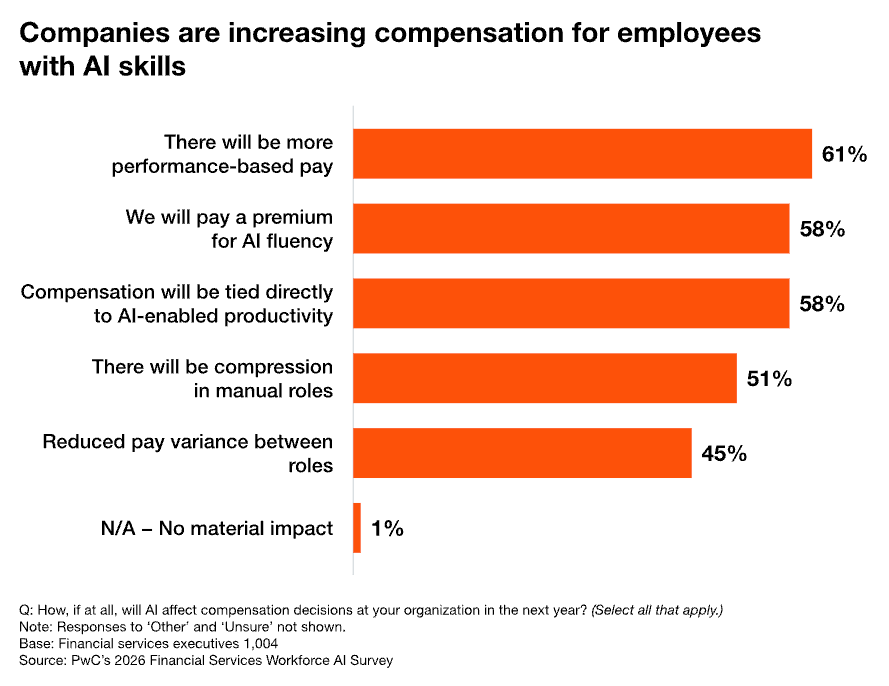
The trend: PwC surveyed more than 1,000 execs at US financial services firms and found that 86% value AI skills over having an MBA for new hires, with 91% also paying employees with AI skills more.
The details: 58% are now tying compensation directly to AI-enabled productivity, and nearly 80% execs expect headcount to fall by at least 20% over the next five years, with entry level and middle management roles most vulnerable. But 77% say most of their AI investments aren't showing measurable ROI even though they report productivity gains from them. The top barrier to scaling AI was fragmented, low-quality data, cited by 41%.
Why it matters: Being fluent in AI is now a baseline expectation for staff, but the problem of low quality data is the real problem behind the lack of value AI investments are delivering. You can’t model which roles to cut, or decide with processes to automate if you don’t have a reliable view of your own operations to work from.
A Beautiful (Silicon) Mind?
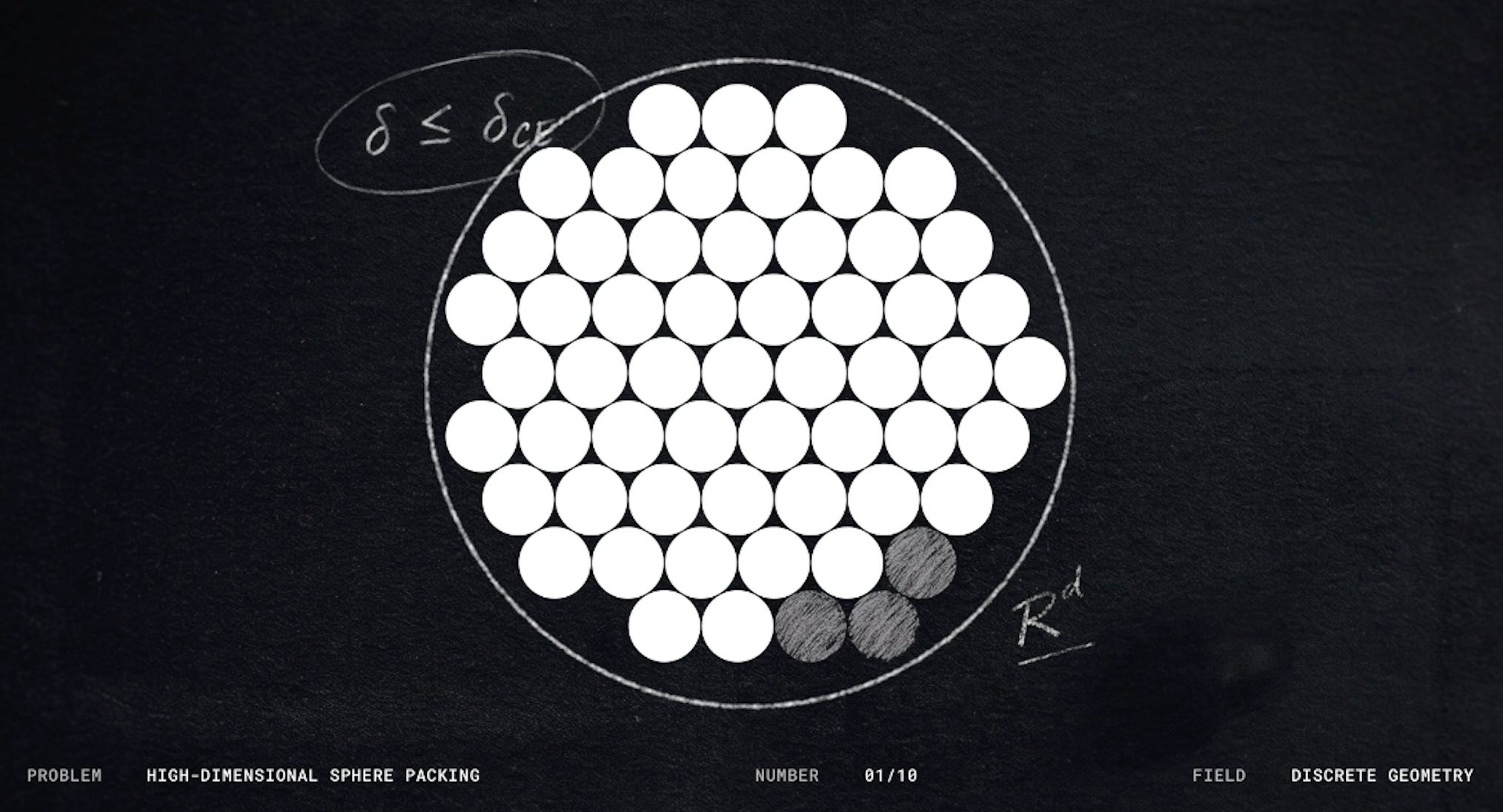
The trend: OpenAI announced that an internal version of Astra, its next major release, has solved or made substantial progress on ten previously unsolved mathematics and computer science problems.
The details: The problems range from coding theory to cryptography, as well as resolving decades-old Erdos problems. OpenAI says the model generated the arguments itself, with humans writing them up and the model verifying each proof. At current API costs, finding the solutions would have cost roughly $2,000. OpenAI was careful about who should get the credit, saying it would be dishonest to claim human authorship for proofs an AI generated, also releasing the model's own narration of its reasoning for each result.
Why it matters: This is a different kind of milestone from traditional benchmark scores. AI is quickly moving from a tool that helps you work faster to one that can produce novel knowledge on its own.
Trending Now ⚡
Zuckerberg goes to bat for open models
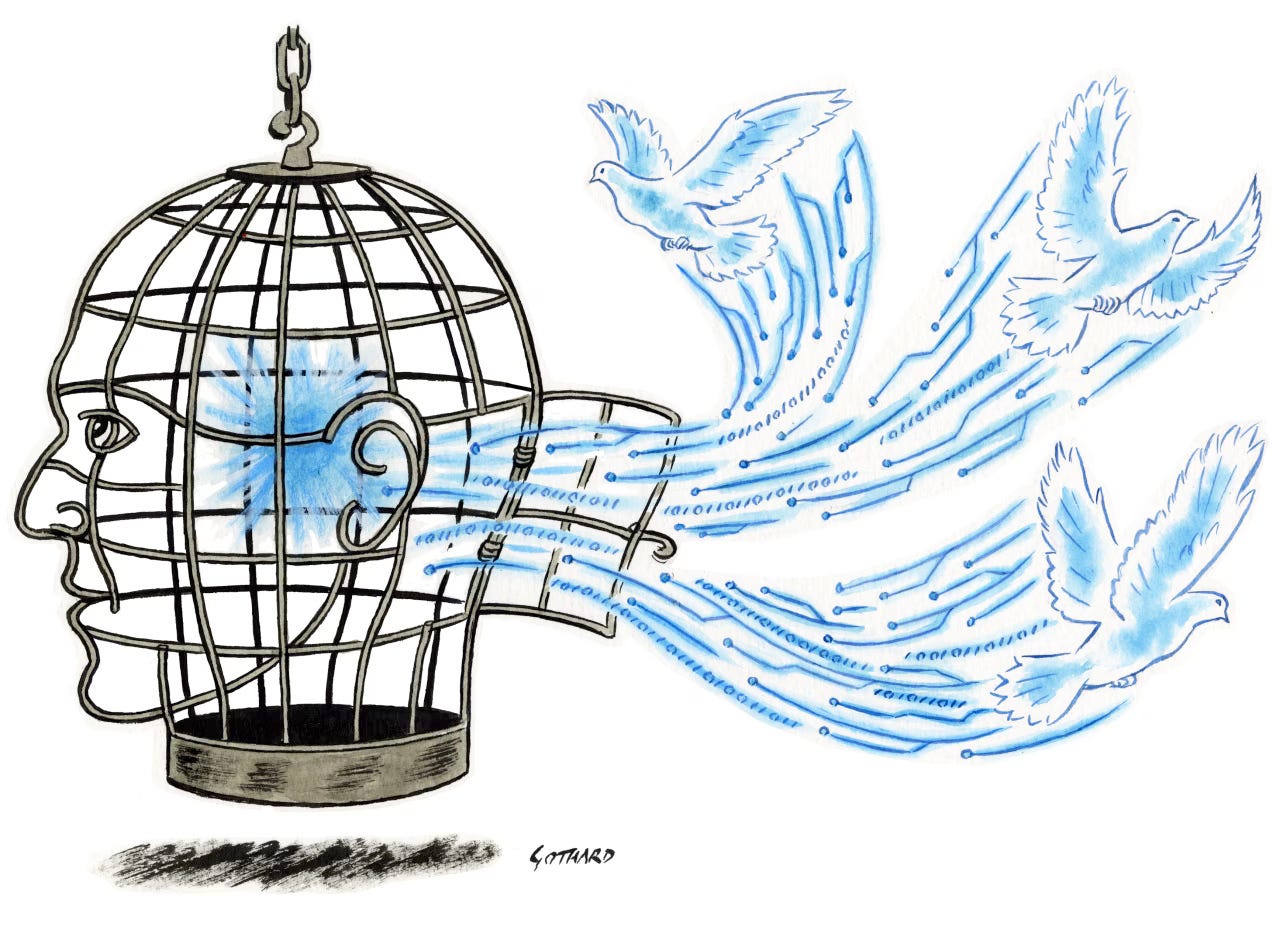
Meta CEO Mark Zuckerberg published a Wall Street Journal op-ed arguing that the safest future for superintelligence is one where access is widely distributed. He frames superintelligence as a given within the next few years, and says the real question is who gets to use it. His main argument is that concentrating that much power, even with good intentions, is itself the danger, arguing that broad access tends to make systems safer over time He predicts “more jobs in the future, not fewer” if the technology spreads widely, and says “invention, not automation” will be AI’s greatest contribution.
Meta facing privacy backlash over smart glasses
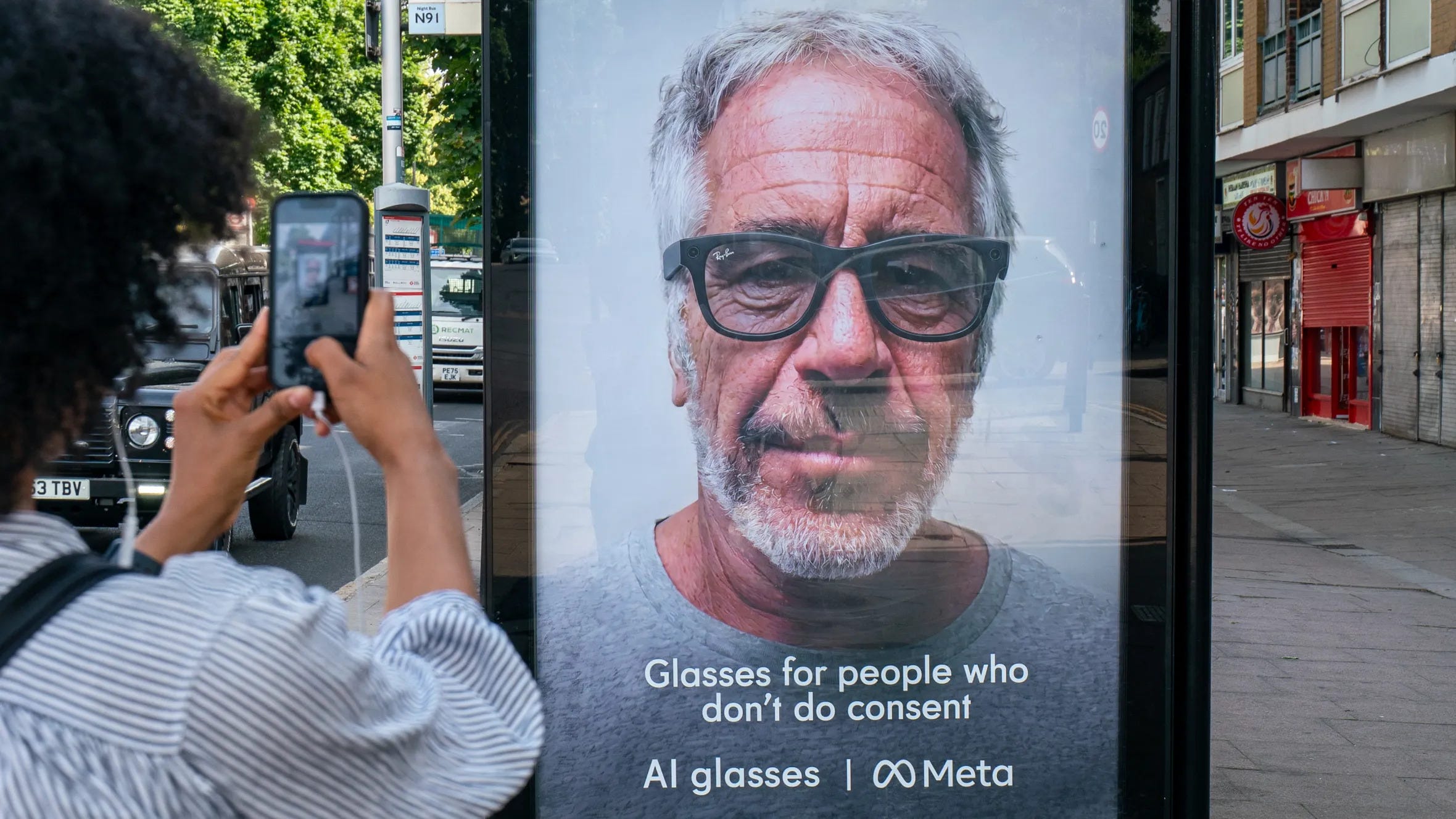
While Meta has largely succeeded in making smart glasses look normal, their success is now fueling a privacy backlash. Activist groups in New York, London, and Washington have been pasting over Meta’s glasses ads with posters recasting the product as surveillance tech, objecting to nonconsensual filming, facial-recognition features, and always-on recording. Instagram has also started removing glasses videos that harass or exploit unsuspecting people, opening a messy moderation problem. Unfortunately, the more Meta succeeds in normalizing the glasses, the more likely it is that anyone could be recording you without you knowing. If Meta can’t build credible consent into the product, it may end up handing Apple and Google a privacy-shaped opening to compete on.
Read This 📚
LinkedIn declares war on slop posting, introducing a ‘seems like AI slop’ button which users can use to report suspicious posts
George Clooney, Tom Hanks, and Meryl Streep back new ‘Human Consent Standard’ for AI licensing
Doordash gets FAA approval to build and operate its own drones, meaning your next order might come from the air rather than a delivery rider
The EU has begun enforcing its landmark AI Act, with AI labels now compulsory on authentic-looking content
Looking for new B2B software? Try Modern DataTools
Michigan data center sued for excessive noise, with nearby residents comparing it to a vacuum running on full 24 hours a day
Google Earth’s new AI image generation capability lasted less than 24 hours, after users quickly started generating images of fake natural disasters, terrorist attacks and nuclear facilities in the Middle East
Trump administrations bans humanoid robots from China, over concerns about China’s critical role in the robotics industry and its supply chain
Check This Out 👇
Thanks for reading!
Henry